Culinary Gems You Must Try in the Caribbean
Por Jannine Mahone · 15 de noviembre de 2025
caribbeanfood
Luxury stays · executive destinations
A gazebo over the Caribbean.A porch on a Texas lake.
Two villas booked directly with their host: Likkle Lookout above Ocho Rios Bay, and Mallard Mile on the water in Conroe. Transfers, a chef and a driver on request.
 Anfitrión: Posh Paths4.91· 129 reseñasJamaica & TexasConcierge on request
Posh Paths is Jannine Mahone’s villa company: a host with a foot on each coast, with a townhome on the hill above Ocho Rios and a lake house in Conroe, forty miles north of Houston. Mid-luxe accommodation and personalised planning, so every trip is seamless and a little extraordinary.
Live availability and direct rates for both villas.
Entérate antes que nadie cuando este anfitrión abra tarifas directas o añada un alojamiento.
Ocho Rios
Columbus Heights · Ocho Rios, Jamaica
2 dormitorios · 2,5 baños
Conroe, TX
Conroe, Texas
3 dormitorios · 2 baños
What Posh Paths does

Out the door
Photos courtesy of Google.

From your host
Posh Paths is the two places I most like to share. The townhome in Ocho Rios is where I take visiting family and friends: the gazebo at sunset, jerk at Scotchies while you watch it cook over the coals, the drive up to the Blue Hole. The lake house in Conroe is where my American friends, the ones who call to ask if I am cooking Jamaican today, come to slow down, walk the trail and feed the ducks.
Book directly with me and you deal with me from the first question to the last morning. If you want a driver from the airport, a chef for a birthday dinner or a table booked for the night you land, say so and I will arrange it.
Jannine Mahone
Founder, Posh Paths
In motion
The gazebo, the bay, the lake and the patio under the oak.
Where we are
Likkle Lookout sits in Columbus Heights, on the hill above Ocho Rios in St. Ann, less than half an hour from Ian Fleming International Airport. Mallard Mile is in Conroe, forty miles north of Houston, thirty-five minutes from Bush Intercontinental.
In villages, street corners, and open-air kitchens across the islands, locals prepare dishes that rarely make it into glossy brochures but leave lasting impressions on those fortunate enough to try them. These are the culinary gems of the Caribbean—rich in history, bursting with flavor, and deeply tied to the identity of the people who make them.
This guide takes you on a flavorful journey through some of the lesser-known but authentic dishes and street foods across the Caribbean. Each dish comes with a story—and an experience—whether it’s joining a grandmother’s cooking class in Barbados or sipping fresh coconut water roadside in Jamaica.
And yes, pescatarians and vegans, you’re in for a treat too. These islands were practicing plant-forward, sea-to-table dining long before it was trendy.
If you want to understand the spirit of Grenadian cooking, start with Oil Down—a hearty, soul-warming one-pot meal that’s as rich in tradition as it is in flavor. Named for the coconut oil that remains at the bottom of the pot after hours of simmering, Oil Down is made with breadfruit, callaloo, turmeric, and a mix of meats or fish, all cooked slowly in fresh coconut milk.
Every household has its own version, and in many communities, preparing Oil Down is a communal event, especially on weekends. There’s no rush. The ingredients are layered, not tossed. The flavors build with time.
Jamaica’s version? You’ll find a similar dish known as Run Down, which typically features mackerel or other fish simmered in coconut milk, with onions, tomatoes, and Scotch bonnet. Though different in execution, both dishes are rooted in the same Caribbean principle: fresh, local ingredients, cooked slowly and with love.
🧭 Culinary Experience: In Grenada, visitors can book a Saturday cook-up with locals or participate in a culinary walking tour through St. George’s, sampling variations of Oil Down and exploring spice markets filled with nutmeg, bay leaves, and cloves.
Simple in ingredients but rich in heritage, Cou-Cou and Flying Fish is a symbol of Barbadian pride. The cou-cou, made with cornmeal and okra, is similar in texture to polenta but carries a distinctly Caribbean flavor. Flying fish, often steamed or lightly fried, is marinated in lime, herbs, and hot pepper, then served on top.
🧭 Culinary Experience: Join a market-to-table cooking class in Bridgetown where you’ll learn to make cou-cou from scratch and prepare the fish using time-honored Bajan techniques. The class often begins with a visit to a local market to select produce and fresh catch.
A product of East Indian influence, roti has become a Caribbean street food icon. The most common types are dhalpuri (split pea–filled) and paratha, affectionately called “buss-up-shut” for its torn-up texture. Roti is typically stuffed with curried chickpeas, potatoes, pumpkin, spinach, or meats like goat and chicken.
🌱 Vegan and Pescatarian Friendly: Most roti shops offer plant-based or fish fillings, and the curries are coconut-milk based.
🧭 Culinary Experience: Take a roti crawl through Port of Spain with a local food guide who’ll help you sample the best vendors in town, each with their signature blend of spices and roti-making technique.
A beloved handheld snack across the Dominican Republic, empanadas—locally known as pastelitos in some regions—are golden, crispy pastries filled with a variety of savory ingredients. Common fillings include ground beef, shredded chicken, cheese, seafood, or vegetables, all seasoned with garlic, oregano, and onions.
These flavorful pockets are often enjoyed fresh out of the fryer at street stalls, beach shacks, and roadside vendors, especially in the mornings or as a quick midday meal.
🌱 Vegan Option: Look for empanadas filled with seasoned vegetables, plantains, or yuca. Some vendors are happy to customize fillings if you ask.
🧭 Culinary Experience: Wander through Santo Domingo’s Colonial Zone or the vibrant seaside town of Puerto Plata, where vendors serve empanadas hot and crispy, often with a splash of spicy sauce or a side of lime. For a deeper experience, book a Dominican cooking class in Las Terrenas or Punta Cana, where you'll learn to make the dough from scratch and shape your own empanadas alongside a local cook.
Rooted in the Rastafarian faith, Ital Stew is a plant-based dish that excludes meat, salt, and processed foods. Instead, it celebrates pumpkin, red peas, carrots, okra, callaloo, and coconut milk. The flavors are deep, nourishing, and built from scratch.
🌿 Naturally Vegan and a favorite among travelers seeking clean, whole foods.
🧭 Culinary Experience: In the Blue Mountains or in the hills above Ocho Rios, you can book a meal or cooking demo with a Rasta chef at an eco-lodge. You’ll tour organic gardens and help prepare the dish, learning about Ital philosophy and food as healing.
Though better known for conch, the Bahamas and Barbados offer irresistible street foods like fish cakes—crispy fritters made from salted cod, scallions, and thyme. Often served with pepper sauce or coconut bread, these bites pack flavor and comfort.
🧭 Culinary Experience: Attend the Oistins Fish Fry in Barbados or a Nassau street food tour, where locals share their twists on the classic recipe—and you’ll often be handed one still sizzling from the fryer.
A modern take on a Caribbean staple, these “tacos” use roasted breadfruit slices as taco shells, filled with grilled fish, ackee, or spicy vegetables. It’s island innovation at its best—local, creative, and nutrient-rich.
🧭 Culinary Experience: Dine at farm-to-table retreats like Stush in the Bush in Jamaica, where breadfruit is grown on-site and turned into imaginative, flavor-packed meals.
Whether you avoid meat or prefer ocean-fresh fare, the Caribbean has flavorful options made for you.
Pescatarian-Friendly Dishes
Vegan-Friendly Dishes
🧭 Travel Tip: Book culinary tours or cooking classes that mention dietary accommodations—many chefs are happy to adapt dishes using fresh, local ingredients.
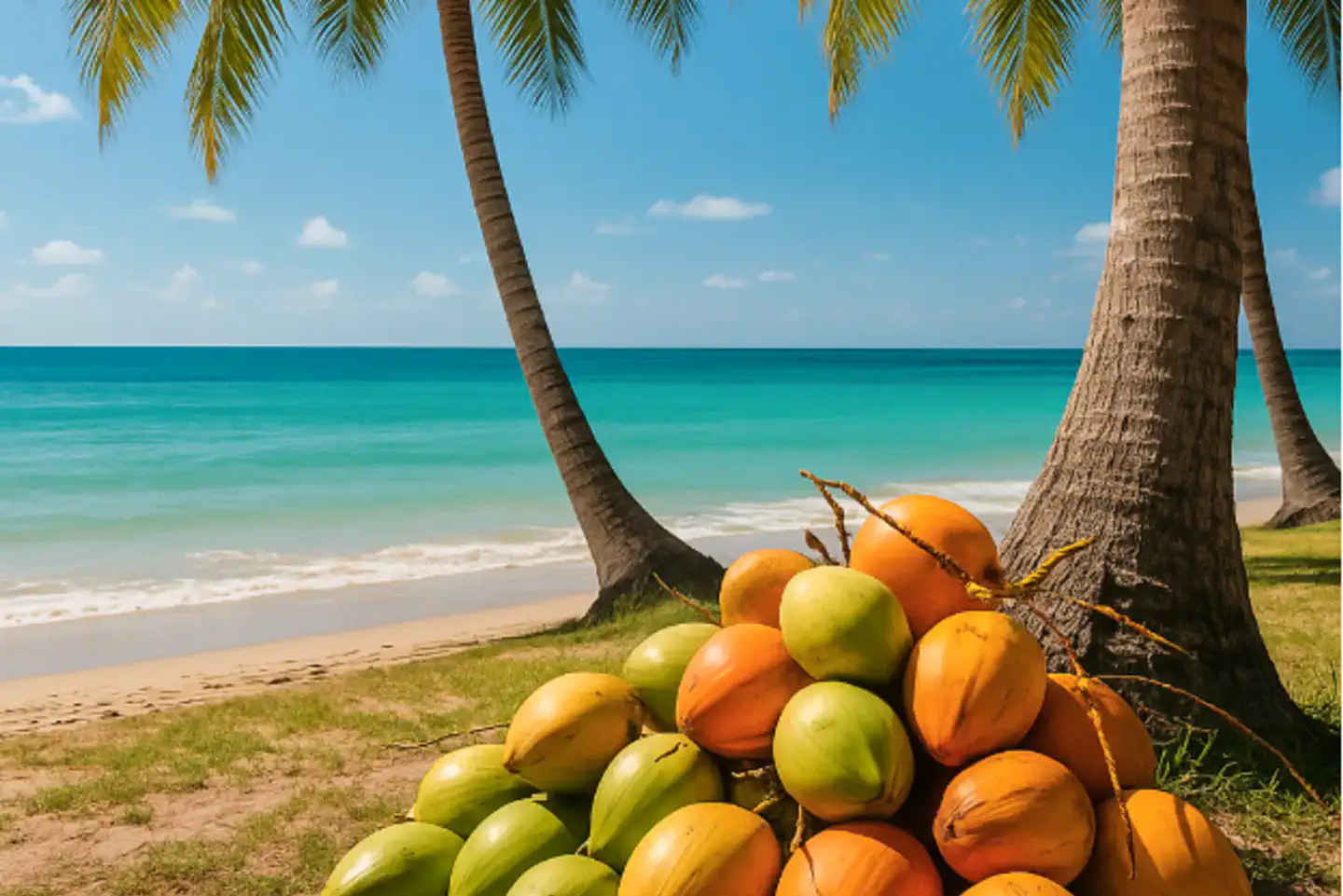
There’s nothing like drinking fresh coconut water straight from the shell, whether handed to you from a roadside vendor in Jamaica or poured chilled into a glass at a high-end resort.
It’s hydrating, electrolyte-rich, and naturally sweet. Bonus: after you sip the water, locals often crack the shell to scoop out the soft jelly inside—a true tropical delight.
🧭 Experience It:In Jamaica, look for roadside coconut stops in places like St. Mary, Clarendon, or near Fern Gully. Some resorts also offer freshly harvested coconuts as part of wellness packages.
Traveling through the Caribbean with your fork (or fingers!) opens the door to a deeper connection—one rooted in culture, community, and the comforting rhythm of real food, lovingly prepared.
Next time you plan your getaway, skip the buffet and seek out the street stalls, backyard kitchens, and small-group cooking classes. You won’t just eat well—you’ll travel deeper.